

The 5 Systems Every Pilates Studio Owner Needs (But Probably Doesn't Have)
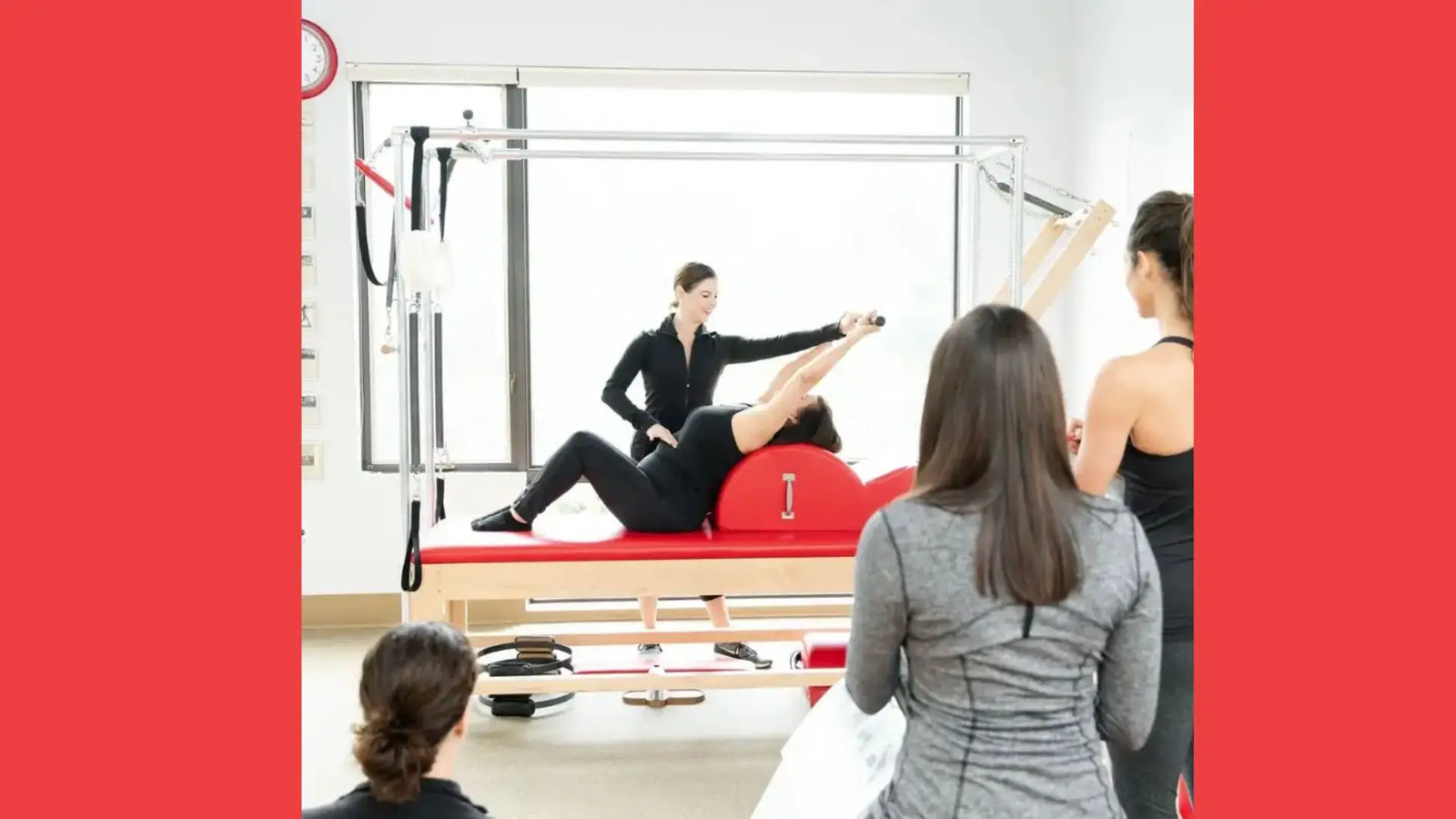

Photo Via: Excel Pilates Nova
Written by Seran Glanfield
You didn't open a Pilates studio because you wanted to spend your days drowning in admin. You opened it because you love this work — the methodology, the movement, and the apparatus, are the profound difference it makes in people's bodies and lives. You had a vision. A feeling. A calling, even.
And then reality arrived.
Suddenly you're fielding inquiries, chasing payments, onboarding new clients, managing schedules, tracking (or avoiding) your numbers, and wondering how something you love so much can feel so relentlessly exhausting. You're not just a teacher anymore. You're a marketer, a manager, a bookkeeper, a scheduler, and a customer service department rolled into one person.
If you've been running your studio on instinct, memory, and sheer force of will?
First: BIG Respect! That takes serious grit. But here's the honest truth; it's also not sustainable. And it's quietly costing you clients, revenue, and your sanity.
The good news? The solution isn't working harder. It's working smarter — and that means building systems.
Not the complicated, corporate, soul-sucking kind. The simple, thoughtful kind that handle the repetitive and the critical, so you don't have to hold it all in your head anymore.
Here are the five systems every Classical Pilates studio owner needs — and exactly why they matter.
1. An Inquiry Response System: Because First Impressions Are Everything
Someone finds your studio. They're intrigued. They fill out your contact form or send an email and then... they wait. If they hear back within hours, they feel seen. If it takes three days, they've already booked somewhere else. Or worse, they've talked themselves out of starting at all.
Your inquiry response system ensures no potential client slips through the cracks. It answers three critical questions:
1) How quickly will you respond to a new inquiry? (Aim for under 24 hours, ideally faster.)
2) What will you say? (Have a warm, personalized-feeling template ready to go.)
3) What's the next step you're guiding them toward? (A call, a trial session, a specific link — make it clear and make it easy.)
This doesn't need to be complex. It just needs to be consistent. A saved email template, a simple follow-up reminder in your calendar, a brief script for phone conversations. Done. You've just closed the most common leak in your client acquisition pipeline.
2. A Client Onboarding System: Make Them Feel Like They Found Their People
The moment someone says yes to your studio is the moment your retention strategy begins. Not at their third session. Not when they're thinking about canceling. Right now, at the very start.
A proper onboarding system does something that's easy to underestimate: it removes uncertainty.
New clients are excited, but they're also quietly nervous. They wonder if they'll fit in, whether it's worth the investment, whether they'll actually stick with it this time. Your onboarding sequence is your opportunity to answer those fears before they're even voiced.
A strong onboarding sequence includes:
- Welcome communication (or series) that arrives immediately after sign-up
- Clear practical information: what to wear, where to park, what to expect
- A warm personal touch — a note from you, a short video, something that signals you are paying attention
- An introduction to your studio's values and what makes Classical Pilates different
- A check-in after the first session asking how they're feeling
This system can be automated and still feel human. The key is to write it like a person, not a policy document. Your new client should finish reading it feeling genuinely welcomed.
3. A Scheduling System That Serves Everyone
Your class schedule isn't just a logistical necessity. It's a strategic asset - and most studio owners treat it like an afterthought, built around what seems convenient rather than what actually serves the business.
A smart scheduling system considers:
- Your peak demand times. When do your clients actually want to come? Build around them, not around your personal preference for mornings.
- Your energy and sustainability. Teaching back-to-back sessions for six hours straight serves no one well, least of all your clients.
- Revenue optimization. Are your highest-demand slots filled with your highest-value offerings? Or are you leaving money on the table by habit?
- Flexibility without chaos. A clear policy for cancellations, late arrivals, and waitlists protects your time and sets professional expectations.
Review your schedule at least twice a year with fresh eyes. Ask yourself: does this schedule reflect where the business is now, or where it was eighteen months ago? Adjust accordingly.
4. A Retention System: Stay Connected Between Classical Pilates Sessions
Here's a truth the fitness industry quietly glosses over: clients don't leave because the teaching wasn't good.
They leave because life gets busy… momentum stalls…one missed week becomes two, then a month, and then suddenly they're not your client anymore - and you had no idea it was happening until it was already done.
A retention system is a simple, proactive system for staying connected with your clients between sessions. It doesn't need to be elaborate. It needs to be intentional.
Some examples of effective retention touchpoints:
- A personal check-in after a client's first month
- Acknowledgement of a milestone — a goal reached, a session anniversary, a personal thing they mentioned in passing
- A quick call when a regular client misses two or more consecutive sessions
The magic here isn't in the gesture itself — it's in the fact that you noticed. Clients who feel seen stay. It really is that simple. Build these touchpoints into a recurring calendar reminder, a simple CRM, or even a shared notes document. The tool matters far less than the habit.
5. A Financial Review System: Know Your Numbers, Own Your Classical Pilates Business
If the phrase "know your numbers" makes you want to close this article, stay with me for just a moment.
You do not need to be an accountant. You do not need a finance degree. You need thirty minutes, once a month, with a simple set of questions:
- How much revenue came in this month?
- What's my profit margin?
- How does this compare to last month and last year?
- Is my client base growing?
- Am I attracting new clients?
That's it. Five questions. A spreadsheet or your studio management software. Monthly. Non-negotiable.
Studio owners who avoid their numbers don't avoid them because they're irresponsible - they avoid them because numbers feel scary when you're not sure what you're looking at. But staying in the dark is far scarier. Flying blind in your business means you can't make good decisions, you can't plan strategically, and you often don't know there's a problem until it's urgent.
A monthly financial review habit transforms your relationship with your business finances from anxious and avoidant to informed and in control. Start small. Start imperfect. Just start.
Systems Aren't Bureaucracy. They're Freedom.
There's a pervasive myth in small business culture that systems are for corporations — that bringing structure into your studio will make it feel cold, rigid, or inauthentic. That's not what happens. What actually happens is this: when the repetitive and the critical are handled by a system, you get to show up fully for the parts that actually require you.
Your clients get a consistently excellent experience. Your team has clear expectations. Your business stops living inside your head and starts living inside a structure that can grow, scale, and run — at least partially — without you holding it together by sheer force of personality.
You become the leader your studio needs instead of the firefighter it currently has.
That's the shift. And it starts with five systems.
Where to Begin as a Classical Pilates Studio Owner
If five systems feel overwhelming, here's a simple place to start: pick the one that would make the biggest difference this week. For most studio owners, that's either the inquiry response system (because it directly impacts revenue) or the onboarding system (because it directly impacts retention).
Build one. Use it for a month. Refine it. Then build the next one.
You don't need to overhaul everything overnight. You just need to start making intentional decisions about how your business operates — rather than letting it operate on chaos by default.
Your studio deserves a solid foundation (and so do you).
About Seran Glanfield
Seran Glanfield, founder of Spring Three and host of the award-winning Pilates Business Podcast, is a leading business coach and consultant to boutique fitness studio owners around the world. With over a decade of hands-on experience, Seran has masterminded the growth and development of hundreds of studios, becoming the go-to expert for those looking to scale their studios, transforming them into sustainably profitable, streamlined studios.
Seran’s expertise encompasses all facets of business management, including marketing, retention, sales, team management, pricing, and strategic growth. A graduate from the prestigious London School of Economics, Seran is also a certified business consultant and both Power Pilates and Romana’s Pilates trained Certified Pilates Teacher.
To learn more about working with Seran and Spring Three, go to: www.springthree.com or follow @seran_spring_three.
Leave a comment
Comments will be approved before showing up.