ABOUT ALEXANDRA BOHLINGER
website : https://www.alexandrabohlinger.com/
email : ab@alexandrabohlinger.com
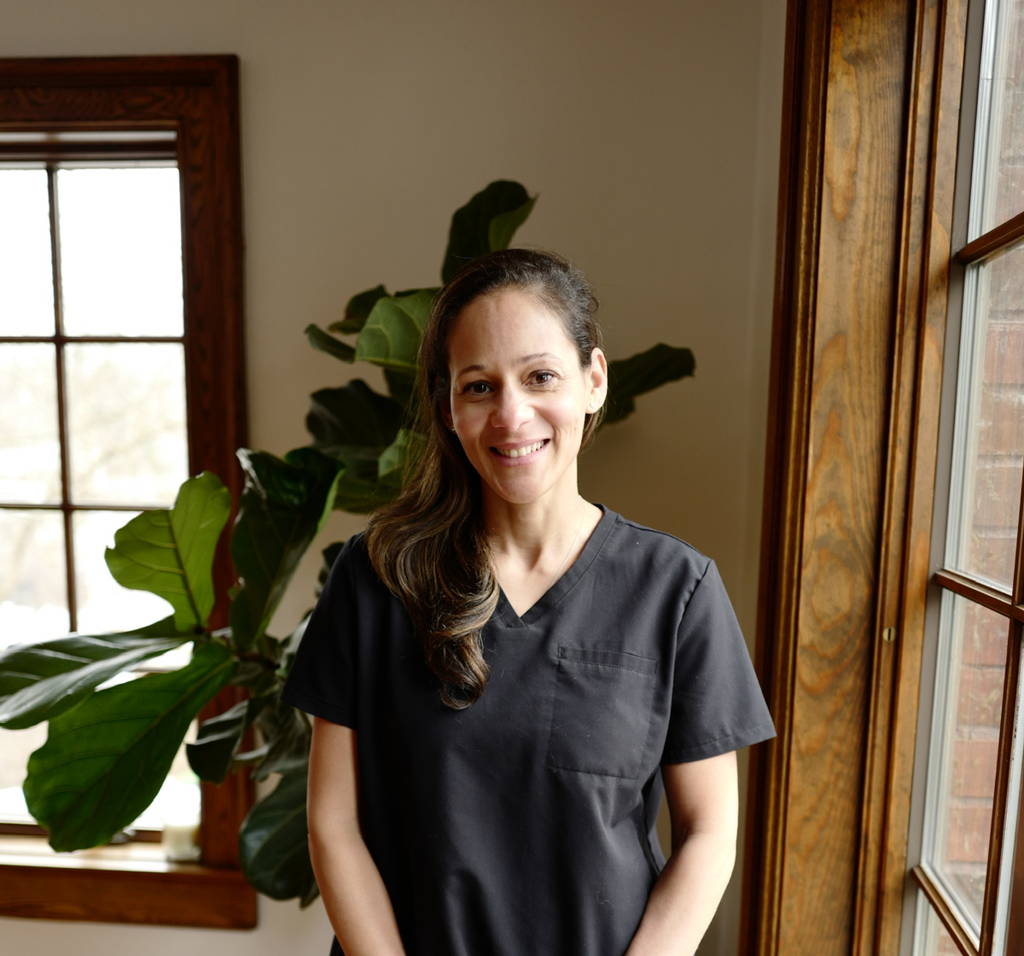
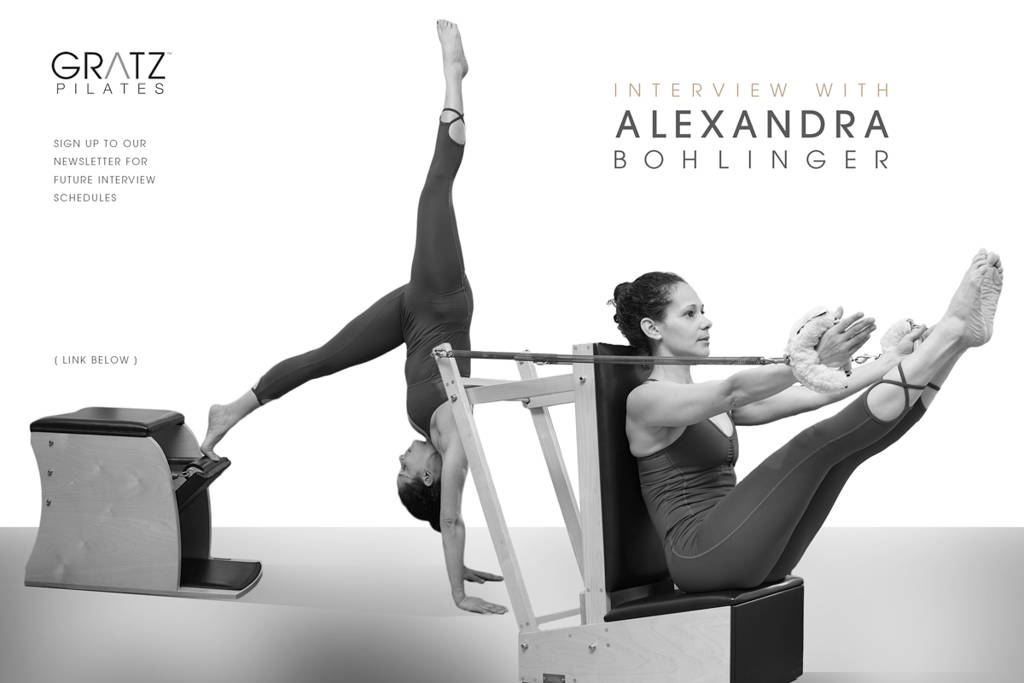
You've had the privilege of working under the guidance of renowned figures like Romana Kryzanowska in NYC and Mari Winsor in Beverly Hills. How did these experiences shape your teaching style?
Romana was one of a kind with contagious energy. I remember being amazed and amused by how she made each individual feel like superstars. She always emphasized, “teach the body in front of you.” No matter what limitations each person had, whether a hip replacement or a shoulder injury, she would work around the injury. She would make people work hard, get sweaty, and then gently address and strengthen the sensitive area. Towards the end of each session, the person would leave feeling good, positive, and empowered.
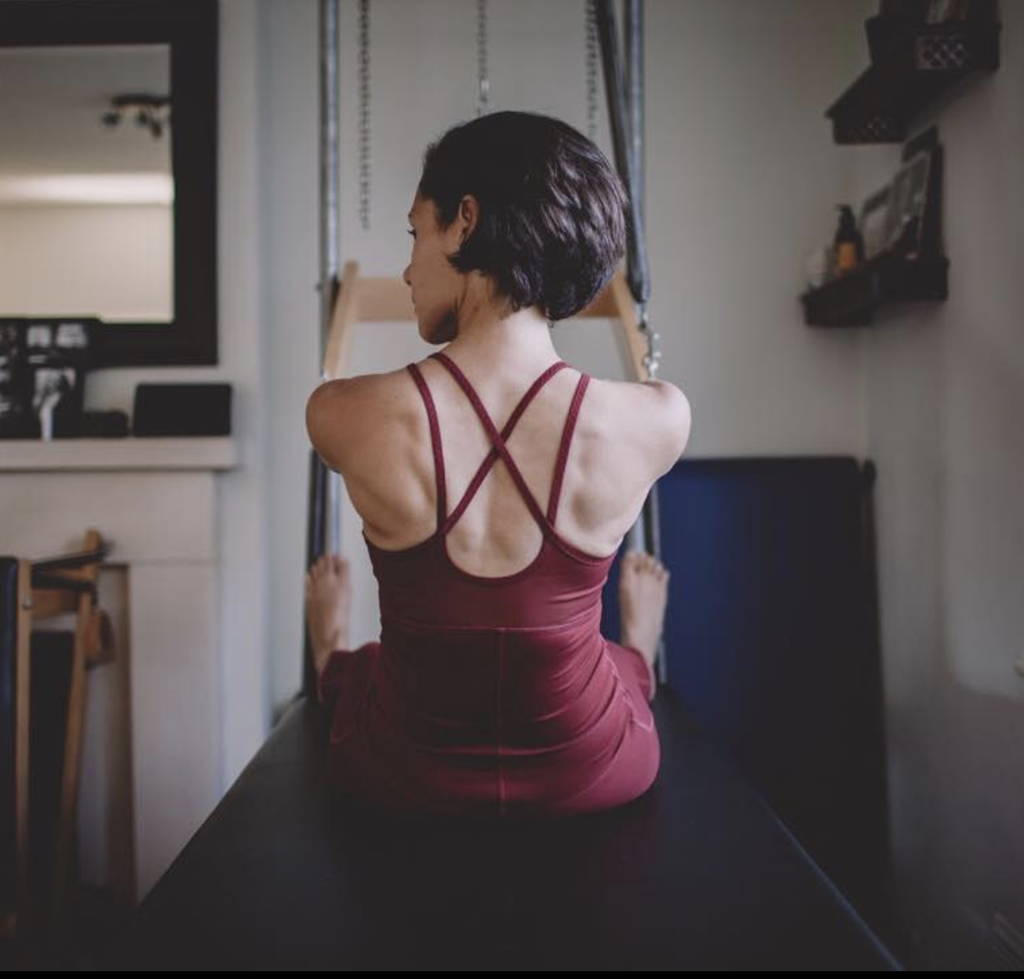
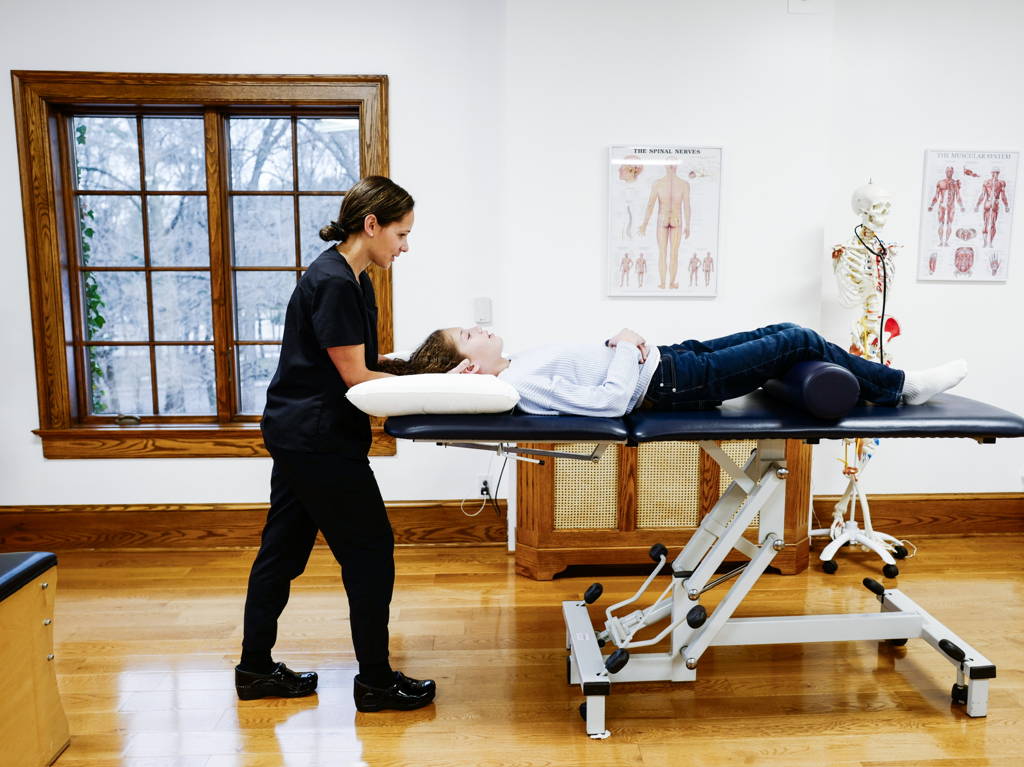
Each of us who studied with Romana has a little piece of her teaching quality that remains with us. No matter who comes to me, for example,one of my patients with a prosthetic leg, often leaves my studio feeling stronger, more flexible, and more confident after each session.Because, after all, he is more than his prosthetic leg; it is about the whole body. My client is not a leg; he is a whole person. And I attribute that ability to teach for the whole body but around problem issues to Romana’s inspiration and modeling the Method as Joe intended.She would always push us to our limits saying, “Don’t make me sleepy,make it more gutsy,” or “Put some guts into it.” And for some strange reason when training with her, I would always want to give 110% and not any less; I didn’t want to disappoint her. I always felt she deserved only my very best effort, and I think most of the other students felt the same energy and motivation. All the Pilates I knew was Romana’s style and all the wonderful military-like structure that came with it at Drago's, which I still remember fondly. Moving to California alone was in itself a big difference from the east coast. Working in Hollywood and Santa Monica at Mari Windsor Studios, I learned so much about people and business. Mari had learned that well and was passing this treasure to me in a very practical sense, how Pilates meets business models and personality types. She was such a businesswoman full of life and love for Pilates (and chips)! I learned to read people and therefore give each person a different type of workout that would suit not only their needs but also their pace, repetition, intensity, and goals. For example, why did they come to Pilates in the first place, so I can help them achieve their goals and not mine. Mari taught me to make sure I acknowledge and accommodate different personality types.
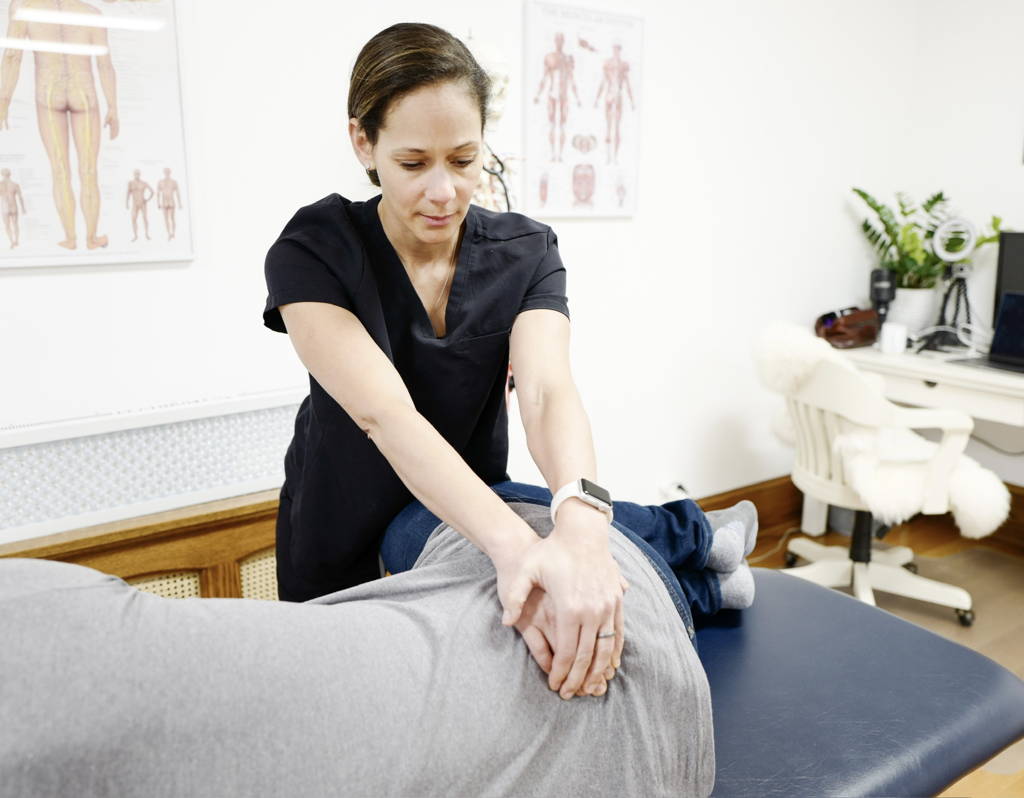
For example, if I had a person with a high-intensity personality that wanted a hardcore workout, perhaps to look good for a movie or a modeling job (very common in West Hollywood), I wouldn’t ask them to memorize the names of each exercise or to perform like a Pilates apprentice by getting their own straps. I might ask them to add or remove a spring, grab the long box as part of their workout, etc., but rather just get them moving so they can see results in their bodies. These individuals did not come to see me to become a Pilates teacher; they came to look strong and beautiful, the classic Hollywood vibe. Or sometimes I had people that were a bit more easily distracted and couldn’t remember what movement is next, no matter how long they may have been doing Pilates. I would just continue to be patient and keep them moving, not expecting too much but meeting them where they were at that time.
Both of these women were highly influential in mydevelopment as a teacher. They both left an indelible impression on me,specifically in how to understand the client-teacher relationship. AsMari used to say, always give them what they came to accomplish. AsRomana used to say, give them “one pearl at a time,” or one valuablething every time they train with you.
"our goal is to get each individual moving with intention, not just powering through a movement, striving for honesty in each and every movement."
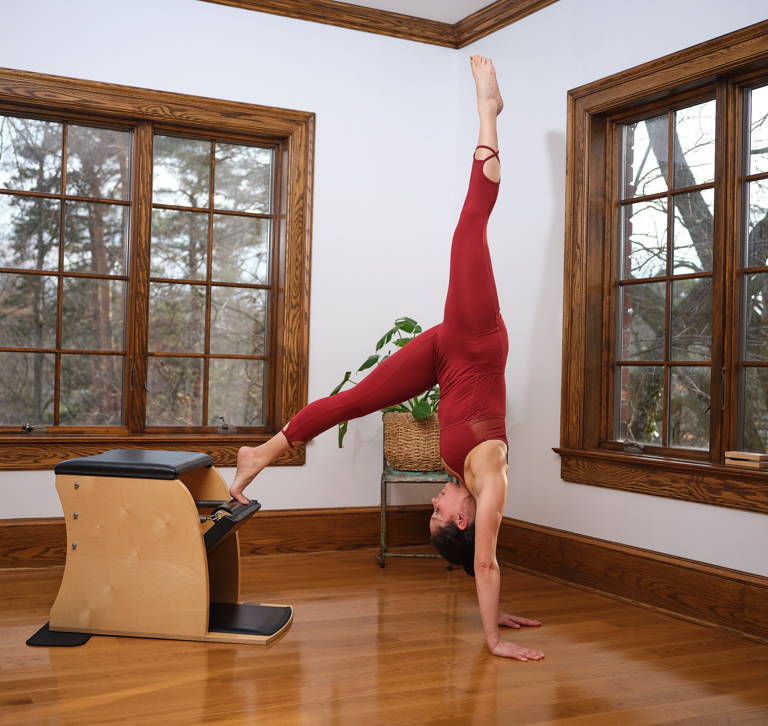
Pilates has undoubtedly made a profound impact on the lives of many clients. Your clientele includes a mix of real people, elite athletes, and even celebrities. How do you customize your Pilates sessions to meet the diverse needs of such a broad range of individuals? Are there specific Pilates techniques that resonate universally, regardless of background or fitness level?
Regarding the universality of the technique, I would say thatit is not necessarily a specific Pilates technique that resonatesuniversally; instead, it is an attitude that resonates with everyone. Wetailor each session according to our clients’ goals and needs as astart, and often just allowing people to move without being too pickyabout technique (that comes gradually and requires patience). So, ifthere were one Pilates technique that resonates universally, it would bewhat I call “The 3 Keeps”: keep them moving, keep it simple, and keepit concise (namely, your cues). Your goal is to get each individualmoving with intention, not just powering through a movement, strivingfor honesty in each and every movement. The intention of moving withcontrol, that is the universal Pilates technique or Method which weotherwise know as Contrology. As Romana used to say, Pilates is stretchwith strength and control, and the control being the most importantpart.
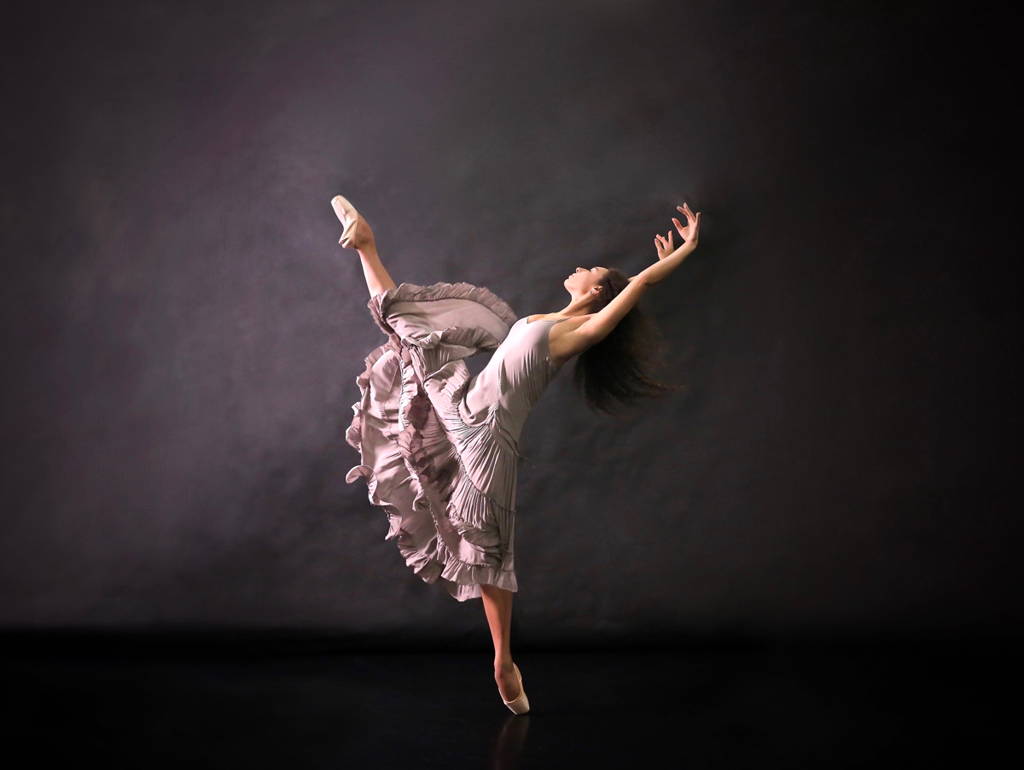
*Naomi Corti, member of New York City Ballet’s corps de ballet

Your educational journey includes graduating with an Osteopathy degree. How has this deepened your understanding of the body, and in what ways do you integrate osteopathic principles into your Pilates practice?
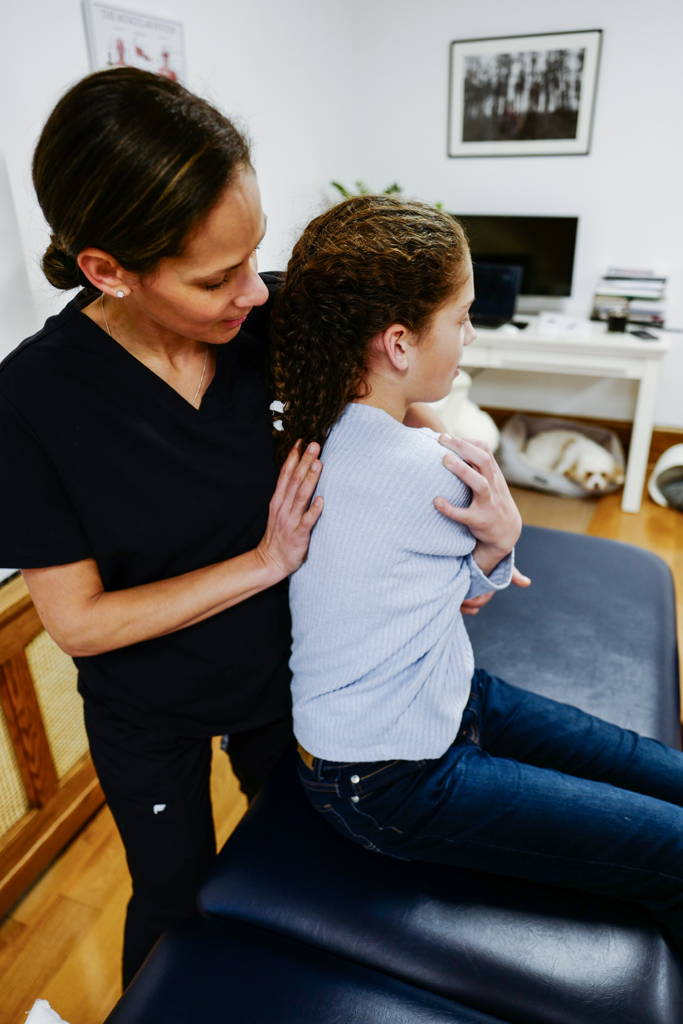
Alexandra specialises in treating chronic pain, Hypermobility/EDS syndrome, acute lower back and neck pain, knee and hip osteoarthritis, RA and more. With 20+ years of combined experience, she has established herself as a trusted practitioner of Traditional Osteopathy and the Classic Pilates Method.
When treating pain, Alexandra focuses on the body as a whole not just symptoms. She educates and treats from a wholistic approach. No prescription or surgery, instead she uses her hands to bring people back to healthy. This philosophy is guided by the wisdom and principles of Andrew Tailor Still, the founder of Osteopathy; where he trusted that the body has a self-healing mechanism. As an osteopath, Alexandra is dedicated to encouraging and facilitating this natural healing process.
Alexandra graduated from Osteopathy in London UK at the British School of Osteopathy, to deepen her knowledge of the body, pathologies and injuries. She had a well round experience in London where she worked with a variety of individuals. Pregnancy, babies to senior, Sport clinic, HIV patients, obesity, diabetic and neuropathy patients to name a few.